What Is Relationship Anxiety? Signs, Causes, and How to Cope
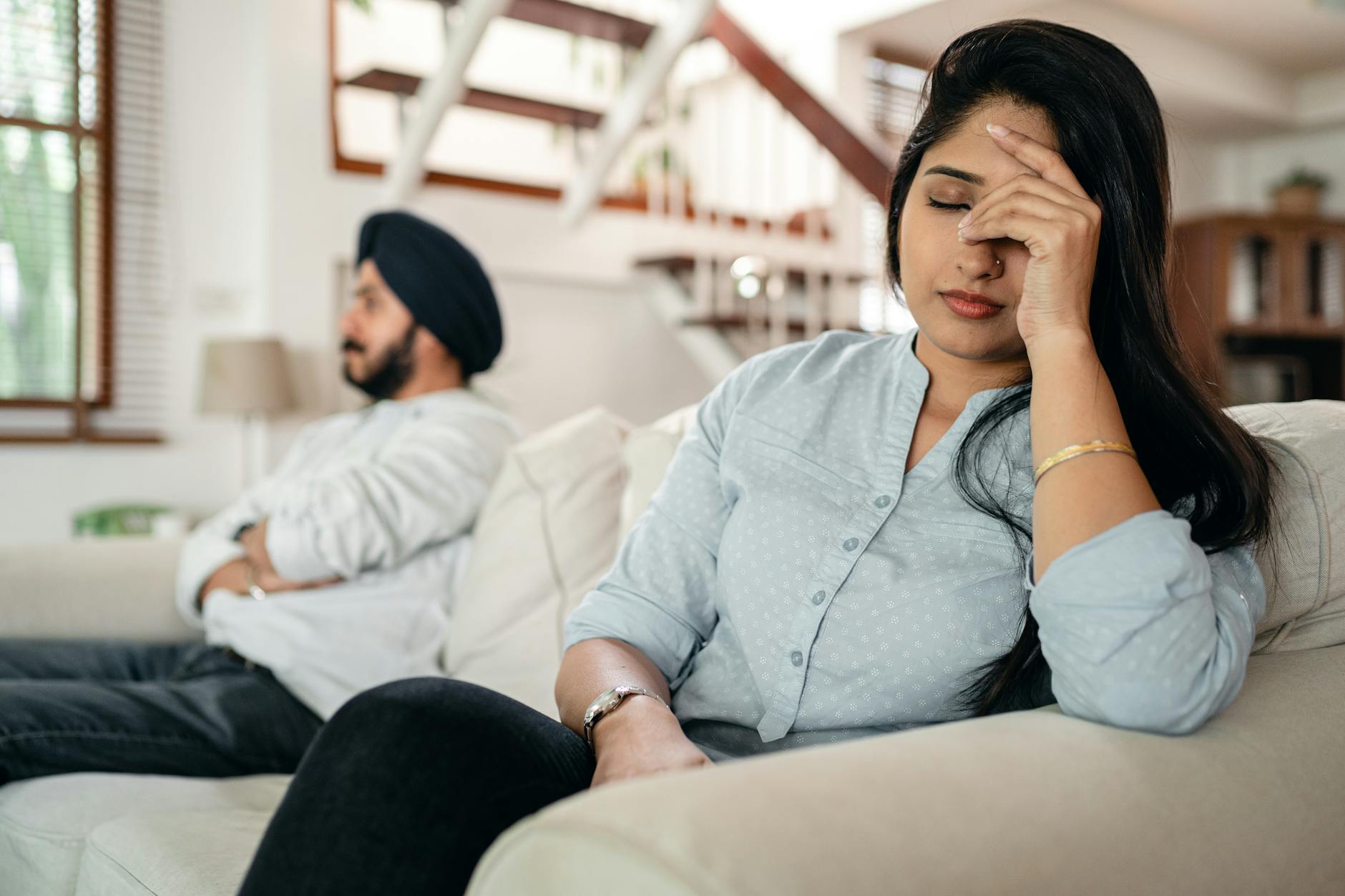
TL;DR
Relationship anxiety is persistent worry about your partnership driven by attachment patterns formed early in life. It manifests as reassurance-seeking, jealousy, and catastrophizing. Evidence-based treatments like CBT and EFT, along with self-soothing techniques and open communication, can help you develop earned secure attachment.
Key Takeaways
- •Relationship anxiety is a recognizable pattern involving fear of abandonment and hypervigilance, not a character flaw
- •Attachment styles from childhood shape romantic relationships but can be changed through intentional effort
- •Digital communication overload and social comparison culture have increased relationship anxiety in 2026
- •Anxious-avoidant pairings create painful pursuit-withdrawal cycles that escalate without intervention
- •Evidence-based treatments including CBT, mindfulness, and attachment-focused therapy have strong research support
- •Clear communication with your partner requires owning your experience and being specific about what helps
- •Self-soothing techniques like physiological sighing can regulate acute anxiety spikes
- •Professional help is appropriate when anxiety significantly impacts daily functioning
- •Partners can help through consistency but cannot be responsible for managing anxiety
- •Recovery is possible—many people develop secure, satisfying relationships through dedicated work
- •Relationship anxiety often creates self-fulfilling prophecies by pushing partners away
- •Tools like VerdictBuddy provide structured support for difficult conversations about attachment
TL;DR
Relationship anxiety is a pattern of excessive worry, insecurity, and fear about the stability or future of your romantic partnership. It can manifest as constant reassurance-seeking, jealousy, overthinking, or avoidance behaviors that ultimately push partners away. Understanding its roots—often in attachment styles formed during childhood—is the first step toward building secure, trusting relationships.
Introduction: The Hidden Epidemic of Relationship Anxiety
Picture this: Sarah lies awake at 2 AM, her mind racing. Her partner hasn't texted back in three hours, and she's already constructed an elaborate narrative about why they must be losing interest. She knows, rationally, that he's probably just asleep—but her heart pounds anyway, and she's already drafting a "casual" check-in text that will be anything but casual.
If this scenario feels painfully familiar, you're not alone. Relationship anxiety affects an estimated 20% of adults in committed partnerships, according to research published in the Journal of Social and Personal Relationships (2024). In 2026, with the pressures of constant connectivity, economic uncertainty, and the aftermath of a global pandemic that reshaped how we connect, these numbers have only grown.
Relationship anxiety isn't simply being "insecure" or "needy"—it's a complex psychological pattern rooted in our earliest experiences of love and attachment. It affects how we perceive our partner's actions, how we communicate our needs, and ultimately, how we experience intimacy itself.
In this comprehensive guide, we'll explore:
- What relationship anxiety actually is (and what it isn't)
- The science behind attachment styles and how they shape our romantic patterns
- 10 common signs you might be experiencing relationship anxiety
- Evidence-based strategies for managing anxious thoughts
- How to communicate with your partner about your anxiety
- When professional help is needed
- Real-world case studies from couples who've navigated this challenge
Tools like VerdictBuddy can help couples navigate difficult conversations about anxiety and insecurity, providing structured frameworks for discussing sensitive topics without escalation.
Let's dive into understanding this often-misunderstood experience.
What Is Relationship Anxiety? Defining the Experience
Beyond Normal Worry: When Concern Becomes Consuming
Everyone experiences some degree of uncertainty in relationships. Will they like my family? Are we moving too fast? Is this person "the one"? These questions are normal—even healthy—parts of romantic development.
Relationship anxiety, however, crosses into different territory. Dr. Gail Saltz, clinical associate professor of psychiatry at New York-Presbyterian Hospital, defines it as "a persistent pattern of worry about the relationship that feels disproportionate to actual circumstances and significantly impacts daily functioning."
The key differentiators include:
| Normal Relationship Concerns | Relationship Anxiety |
|---|---|
| Occasional worry about compatibility | Constant fear of abandonment |
| Discussing concerns openly with partner | Seeking reassurance repeatedly |
| Trusting partner's words and actions | Looking for "hidden meanings" |
| Feeling secure most of the time | Baseline state of worry |
| Conflict leads to resolution | Conflict triggers catastrophizing |
Research from the American Psychological Association's 2025 Stress in America report reveals that relationship anxiety has increased by 34% since 2020. Several factors contribute:
"We're asking relationships to provide more than ever before—they need to be our best friend, passionate lover, intellectual equal, and emotional safe haven all at once. That's a lot of pressure, and anxiety often fills the gap between expectation and reality." — Esther Perel, psychotherapist and author
The Science of Attachment: Where Relationship Anxiety Begins
Attachment Theory 101: The Foundation
British psychiatrist John Bowlby developed attachment theory in the 1950s, proposing that our earliest bonds with caregivers create "working models" for all future relationships. His colleague Mary Ainsworth later identified distinct attachment styles through her famous "Strange Situation" experiments.
The four primary attachment styles are:
1. Secure Attachment (approximately 55-60% of population)- Comfortable with intimacy and independence
- Trust partners readily
- Communicate needs directly
- Recover quickly from conflicts
- Fear of abandonment
- Hypervigilant to partner's moods and actions
- Seek high levels of closeness and reassurance
- Often feel they care more than their partner
- Value independence strongly
- Minimize importance of relationships
- Suppress emotional needs
- May seem emotionally unavailable
- Desire closeness but fear it
- Push-pull relationship patterns
- Often linked to childhood trauma
- Most challenging attachment pattern
How Anxious Attachment Develops
Research published in Attachment & Human Development (2023) identifies several childhood experiences that contribute to anxious attachment:
- Inconsistent caregiving: Parents who were sometimes available and attuned, but other times distracted, absent, or dismissive
- Parental anxiety: Caregivers who modeled anxious behavior in their own relationships
- Early loss or separation: Death, divorce, or extended separations from primary caregivers
- Emotional enmeshment: Boundaries that were too loose, with children taking on adult emotional responsibilities
- Conditional love: Affection that felt tied to performance or behavior
The Neurobiology of Relationship Anxiety
When someone with relationship anxiety perceives a threat—even an ambiguous one like an unanswered text—their brain activates as if facing genuine danger.
The process unfolds like this:
This isn't a character flaw—it's a neurological pattern that can be rewired with the right approaches.
10 Signs You Might Have Relationship Anxiety
Recognizing the Patterns
Relationship anxiety manifests differently in different people, but common signs include:
1. Constant Reassurance SeekingYou frequently ask your partner variations of "Do you still love me?" "Are we okay?" or fish for compliments and validation. One study found that individuals with relationship anxiety seek reassurance an average of 5-7 times daily.
2. Overanalyzing EverythingA brief text response, a change in tone, a forgotten errand—all become potential evidence that something is wrong. You spend significant mental energy decoding your partner's behavior.
3. Fear of AbandonmentYou live with a background hum of worry that your partner will leave. This might intensify during separations, even brief ones like a work trip.
4. Jealousy and PossessivenessYou feel threatened by your partner's other relationships—friends, colleagues, even family members. You might check their phone, social media, or location.
5. Difficulty TrustingEven when your partner has never given you reason to doubt them, you struggle to fully trust their commitment or fidelity.
6. Testing BehaviorsYou create situations (consciously or unconsciously) to "prove" your partner's love—picking fights, threatening to leave, or engineering scenarios where they must choose you.
7. CatastrophizingA small conflict becomes, in your mind, evidence that the relationship is doomed. You jump to worst-case scenarios quickly.
8. Self-SilencingParadoxically, despite needing reassurance, you might suppress your actual needs and opinions to avoid "rocking the boat" or being "too much."
9. Physical SymptomsRelationship anxiety can manifest physically: stomach issues, sleep problems, racing heart, or tension headaches that correlate with relationship stress.
10. PreoccupationYou think about the relationship constantly, analyzing past interactions and worrying about future ones, even when you should be focused on other things.
The Impact of Relationship Anxiety on Partnerships
The Anxiety-Avoidance Dance
One of the most common—and painful—relationship dynamics involves an anxiously attached person pairing with an avoidantly attached person. Research calls this the "anxious-avoidant trap."
Here's how it typically unfolds:
According to Dr. Stan Tatkin, author of Wired for Love, this dynamic accounts for a significant portion of relationship distress and breakups.
Self-Fulfilling Prophecies
Tragically, relationship anxiety often creates the very outcomes it fears. Research from the Journal of Personality and Social Psychology demonstrates several mechanisms:
- Reassurance seeking decreases partner satisfaction: Being asked "Do you love me?" repeatedly is exhausting and can feel like distrust
- Jealous behavior pushes partners away: Excessive monitoring, accusations, and restrictions damage trust
- Conflict escalation: Anxious individuals are more likely to escalate conflicts and less likely to resolve them constructively
- Emotional labor burden: Partners of anxious individuals report feeling responsible for managing their partner's emotions
"The saddest irony of relationship anxiety is that the behaviors meant to keep partners close often drive them away." — Dr. Sue Johnson, founder of Emotionally Focused Therapy
Impact on Individual Wellbeing
Beyond relationship outcomes, chronic relationship anxiety takes a toll on individual mental and physical health:
- Higher rates of depression and generalized anxiety
- Sleep disorders
- Lowered immune function
- Reduced work productivity
- Social isolation (when relationship becomes all-consuming)
Evidence-Based Strategies for Managing Relationship Anxiety
Cognitive Behavioral Approaches
Cognitive Behavioral Therapy (CBT) has the strongest evidence base for treating anxiety, including relationship anxiety. Key techniques include:
1. Cognitive RestructuringLearn to identify and challenge anxious thoughts. When you think "They didn't text back, they must be losing interest," counter with:
- What's the evidence for and against this thought?
- What would I tell a friend thinking this?
- What's the most realistic interpretation?
Test your predictions. If you believe "If I don't check in constantly, they'll forget about me," try going a set period without checking in and observe what actually happens.
3. Exposure and Response PreventionGradually face anxiety-triggering situations without engaging in safety behaviors (like reassurance seeking). Start with lower-stakes situations and build tolerance.
Mindfulness and Acceptance-Based Approaches
Mindfulness-Based Stress Reduction (MBSR) and Acceptance and Commitment Therapy (ACT) offer complementary tools: 1. Observe Without ReactingNotice anxious thoughts as mental events—not facts. Label them: "I'm having the thought that my partner is upset with me."
2. Sit With DiscomfortRather than immediately acting to reduce anxiety (texting, seeking reassurance), practice tolerating the discomfort. It typically peaks and subsides within 20-30 minutes.
3. Values-Based ActionAsk: "What kind of partner do I want to be?" Act from those values rather than from anxiety.
Attachment-Focused Interventions
Therapies specifically targeting attachment, such as Emotionally Focused Therapy (EFT), help couples:
- Identify negative interaction cycles
- Access underlying attachment needs and fears
- Create new patterns of emotional engagement
- Build earned secure attachment
Research shows EFT has a 70-75% success rate for couples in distress.
Self-Soothing Techniques
When anxiety spikes, these techniques can help regulate your nervous system:
Communicating With Your Partner About Relationship Anxiety
The Disclosure Decision
Telling your partner about your relationship anxiety can feel vulnerable and risky. Key considerations:
Benefits of Disclosure:- Partner can understand your behaviors in context
- Opens possibility for supportive responses
- Reduces isolation and secrecy
- Creates opportunity for collaborative problem-solving
- Choose a calm moment (not during or after conflict)
- Ensure you have privacy and adequate time
- Avoid disclosing when either of you is tired, hungry, or stressed
How to Have the Conversation
A framework for effective disclosure:
1. Own Your ExperienceUse "I" statements. Instead of "You make me anxious when you don't text back," try "I notice I get anxious when I don't hear from you. I know that's about my patterns, not about you."
2. Provide ContextBriefly share relevant background: "I think this comes from some experiences in my past relationships/childhood. It's something I'm working on."
3. Be Specific About What HelpsDon't expect your partner to guess. "When I'm spiraling, it helps if you can give me a quick reassurance. But I also know I need to work on not needing that so often."
4. Acknowledge Their Experience"I know my anxiety can impact you too. I don't want you to feel responsible for managing my emotions, and I'm committed to doing my own work."
5. Invite Dialogue"How does this land for you? Is there anything you want to ask or share?"
What Partners Can Do
If your partner has relationship anxiety, research suggests these approaches help:
- Consistency over grand gestures: Reliable, predictable responsiveness matters more than occasional romantic flourishes
- Clear communication: Reduce ambiguity; say what you mean
- Validate without enabling: "I understand you're anxious, and I love you" (not "I'll prove my love by never leaving your sight")
- Maintain boundaries: You're not responsible for managing their anxiety
- Encourage professional help: Support without becoming a therapist
Tools like VerdictBuddy can provide structured frameworks for these sensitive conversations, helping couples discuss anxiety patterns without triggering defensive reactions.
When Professional Help Is Needed
Signs It's Time to Seek Therapy
Consider professional support if:
- Your anxiety significantly impacts daily functioning
- You've tried self-help strategies without sufficient improvement
- Your relationship is in serious distress
- You experience panic attacks or severe physical symptoms
- You notice patterns of harmful behavior (excessive checking, controlling behaviors)
- Childhood trauma underlies your attachment patterns
- Co-occurring issues exist (depression, substance use, other anxiety disorders)
Types of Therapy That Help
Individual Therapy Options:- Cognitive Behavioral Therapy (CBT)
- Acceptance and Commitment Therapy (ACT)
- Dialectical Behavior Therapy (DBT)
- Psychodynamic therapy focusing on attachment
- EMDR for trauma-related anxiety
- Emotionally Focused Therapy (EFT)
- Gottman Method
- Imago Relationship Therapy
- Relational Life Therapy
Finding the Right Therapist
Tips for finding effective support:
Case Studies: Real Stories of Navigating Relationship Anxiety
Case Study 1: Maya and James
The Situation: Maya, 32, had been in a relationship with James for two years. Despite his consistent affection and commitment, she found herself regularly convinced he was about to leave. She checked his phone, questioned him about female colleagues, and often started arguments to "test" his commitment. The Turning Point: After a major fight nearly ended the relationship, Maya sought individual therapy. She discovered her anxiety stemmed from her father's sudden departure when she was 8 and a previous partner's infidelity. The Process: Through a combination of CBT and EMDR, Maya:- Processed childhood abandonment trauma
- Learned to differentiate past from present
- Developed tolerance for uncertainty
- Built a practice of self-soothing
Case Study 2: Derek and Sam
The Situation: Derek, 45, developed severe relationship anxiety after his wife of 15 years had an affair. Though they divorced, his anxiety transferred to his new relationship with Sam. He became hypervigilant, interpreting any deviation from routine as a sign of betrayal. The Turning Point: Sam insisted on couples therapy, feeling suffocated by Derek's anxiety. The Process: Using EFT, the couple:- Named their negative cycle (Derek pursues, Sam withdraws)
- Connected Derek's behaviors to his trauma
- Helped Sam understand his role without blame
- Created new patterns of secure connection
Case Study 3: Aisha
The Situation: Aisha, 28, had never been in a relationship lasting more than six months. Her anxiety would spike early in relationships, leading to intense attachment followed by self-sabotage when her needs felt unmet. The Turning Point: A therapist suggested her pattern might relate to her anxious attachment style. The Process: Aisha:- Learned about attachment theory
- Identified her triggers and patterns
- Practiced sitting with discomfort
- Chose to date someone with secure attachment
- Allowed the relationship to develop slowly
Key Takeaways
Frequently Asked Questions
1. Can relationship anxiety go away on its own?
Relationship anxiety rarely resolves completely without intentional effort. While it may fluctuate—perhaps feeling better during relationship "honeymoon" phases—the underlying patterns typically persist until addressed. Research suggests that without intervention, anxious attachment styles tend to be stable over time. However, with conscious work (self-help, therapy, or both), significant improvement is possible for most people.
2. How do I know if my anxiety is about the relationship or about me?
A useful distinction: If your anxiety persists across multiple relationships regardless of how partners behave, it's more likely about your attachment patterns. If it's specific to concerning behaviors in this relationship, the situation itself may warrant attention. Red flags like lying, inconsistency, or betrayal should trigger anxiety. But if you're anxious despite a partner's consistent, trustworthy behavior, the work is probably internal.
3. Is relationship anxiety the same as being insecure?
There's overlap, but they're not identical. Insecurity is a broader term that might refer to low self-esteem across life domains. Relationship anxiety is specifically about romantic partnerships. You might have high self-esteem at work while experiencing significant relationship anxiety. That said, working on general self-worth often helps with relationship anxiety too.
4. Can medication help with relationship anxiety?
Medication (particularly SSRIs or other anti-anxiety medications) can help manage symptoms, especially when relationship anxiety is part of a broader anxiety disorder. However, medication alone doesn't change attachment patterns—it's most effective combined with therapy that addresses the underlying relational dynamics.
5. My partner accuses me of being "crazy" when I express anxiety. Is that fair?
No. While relationship anxiety can create challenging behaviors, labeling someone "crazy" is dismissive and potentially emotionally abusive. A healthy partner can set boundaries ("I can't answer the same question multiple times a day") without pathologizing you. If your concerns are consistently mocked or dismissed, that's a relationship problem beyond your anxiety.
6. How long does it take to overcome relationship anxiety?
There's no fixed timeline—it depends on the severity of symptoms, underlying causes, quality of treatment, and individual factors. Many people see noticeable improvement within 3-6 months of consistent therapy, with continued progress over 1-2 years. Complete "cure" isn't the goal; effective management and earned secure attachment are more realistic outcomes.
7. Does relationship anxiety mean I shouldn't be in a relationship?
Not necessarily. While it might be wise to focus on individual healing if your anxiety consistently destroys relationships, many people successfully do personal work while in partnerships. Being with a securely attached partner can actually accelerate healing by providing "corrective emotional experiences." The key is self-awareness and commitment to growth.
8. Can relationship anxiety cause physical symptoms?
Absolutely. Anxiety activates the sympathetic nervous system, producing physical effects like rapid heartbeat, stomach upset, muscle tension, headaches, sleep disturbance, and fatigue. Chronic relationship anxiety can even contribute to longer-term health issues. These physical symptoms are real and deserve attention alongside the psychological work.
9. Is it possible to have relationship anxiety with a secure partner?
Yes. Having a secure partner helps, but your attachment patterns travel with you. A secure partner's consistency can gradually help rewire anxious patterns, but this takes time and doesn't happen automatically. You might feel calmer with a secure partner, but the internal work still needs to happen.
10. How can I support a partner with relationship anxiety without losing myself?
Key principles: Validate their feelings without taking responsibility for them. Be consistent but maintain your boundaries. Encourage professional help. Don't become their only source of reassurance. Take care of your own mental health. Remember that loving someone doesn't mean becoming their therapist or sacrificing your needs.
Conclusion: Toward Secure Connection
Relationship anxiety, while painful, is not a life sentence. The very fact that you're reading this article—seeking understanding, looking for solutions—demonstrates the self-awareness that makes change possible.
Remember that your anxiety developed for a reason. At some point, hypervigilance about relationships served a protective function. Perhaps it helped you navigate an unpredictable caregiver, detect early signs of a partner's unfaithfulness, or prepare for abandonment before it happened. Your brain learned that relationships required constant monitoring.
But what once protected you may now be limiting you. The patterns that helped you survive childhood may be preventing you from thriving in adult partnerships.
The path forward involves:
Secure attachment is possible. Research on earned secure attachment shows that people who do this work can develop relational patterns indistinguishable from those with naturally secure attachment. The neural pathways can change. The patterns can shift.
If you're struggling with relationship anxiety, consider using tools designed for difficult conversations. Platforms like VerdictBuddy can help structure discussions about anxiety, needs, and attachment patterns in ways that reduce defensiveness and increase understanding.
You deserve relationships built on security, not fear. The journey may be challenging, but countless others have walked this path before you—and found peace on the other side.
This article is for informational purposes only and does not constitute medical or psychological advice. If you're experiencing severe anxiety, please consult a qualified mental health professional.
Sources & References
Frequently Asked Questions
Written by
VerdictBuddy Team
The VerdictBuddy team specializes in conflict resolution, relationship psychology, and communication strategies.